The Best Guide to Making Bone Broth at Home in 2025
Are you looking for a simple and nutritious addition to your meals? Homemade bone broth can be a game-changer for your health and cooking routine. By preparing it yourself, you can control the ingredients and tailor the flavor to your liking.
Making bone broth at home is surprisingly easy. With just a few ingredients and some basic kitchen equipment, you can create a delicious and healthy broth. It’s perfect for soups, stews, or as a warm, comforting drink on its own.
Table of Contents
Key Takeaways
- Learn how to make bone broth at home with simple ingredients.
- Understand the benefits of homemade broth for your health and cooking.
- Discover tips for customizing the flavor to your taste.
- Find out how to store and use your homemade broth.
- Get started with a basic recipe that’s easy to follow.
What Is Bone Broth and Why Should You Make It?
Bone broth is popular for its deep flavor and health benefits. It’s a great addition to your cooking. So, what is bone broth, and why make it at home?
The Difference Between Stock and Bone Broth
Stock and bone broth are not the same. Stock uses more bones and cooks for less time, making it lighter. Bone broth cooks longer, 12-24 hours, to get more collagen and minerals. This makes it richer and more nutritious.
- Simmering time: Bone broth is cooked for a longer duration.
- Nutrient content: Bone broth contains more collagen and minerals.
- Flavor: Bone broth has a richer, deeper flavor profile.
Nutritional Profile of Bone Broth
Bone broth is packed with nutrients like proteins, minerals, and collagen. The slow cooking breaks down bones, releasing these nutrients. Key nutrients include:
- Collagen: Important for skin, hair, and joint health.
- Protein: Essential for muscle repair and growth.
- Minerals: Such as calcium, magnesium, and phosphorus, crucial for bone health.
Making bone broth at home lets you control the ingredients and cooking. It’s rich in nutrients and versatile in cooking. That’s why bone broth is a favorite in many kitchens.
Health Benefits of Homemade Bone Broth
Drinking homemade bone broth can change your health for the better. It’s full of nutrients that boost your well-being. Adding bone broth to your meals can improve your health in many ways.
Gut Health and Digestion
Homemade bone broth is packed with gelatin. This helps heal and seal your gut lining, reducing inflammation and improving digestion. The amino acids in bone broth, like glycine and proline, support your digestive system. They can also help with leaky gut syndrome symptoms.
By drinking bone broth often, you can keep your gut microbiome healthy.
Joint Support and Collagen
Bone broth is a great source of collagen, a protein key for healthy joints. The collagen in bone broth can reduce joint pain and inflammation. It’s a favorite remedy for those with arthritis.
The glucosamine and chondroitin in bone broth also support joint health. They can help improve your mobility.
Immune System Benefits
The nutrients in homemade bone broth, like calcium, magnesium, and phosphorus, boost your immune system. It’s also rich in protein, vital for making antibodies and immune cells. Drinking bone broth regularly can strengthen your immune system.
This makes it a great choice for your diet, especially when you’re fighting off colds and flu. You can make a nourishing bone broth using a bone broth recipe slow cooker.
Essential Equipment for Making Bone Broth
Before starting to make bone broth, you need the right kitchen tools. The right equipment can greatly improve your broth’s quality and make it easier to prepare.
Pot Options: Stockpot vs. Dutch Oven
Choosing a pot for bone broth is important. A stockpot is great for big batches, giving you plenty of room for bones and veggies. A Dutch oven, however, keeps heat well, which is good for slow cooking. Think about how much broth you want to make and your kitchen space.
Slow Cookers and Pressure Cookers
Using a slow cooker or pressure cooker can be very convenient. A slow cooker is perfect for busy days because it cooks your broth for hours without needing you to watch it. A pressure cooker, like an Instant Pot, cooks your broth much faster while keeping nutrients in. Both are great for making beef bone broth recipe slow cooker versions.
| Equipment | Benefits | Considerations |
| Stockpot | Large capacity, ideal for big batches | Space-consuming, may require more liquid |
| Dutch Oven | Excellent heat retention, versatile | Can be heavy, may require oven space |
| Slow Cooker | Convenient, hands-off cooking | Long cooking times, limited control |
| Pressure Cooker | Reduces cooking time, retains nutrients | Requires familiarity with the device, safety concerns if not used properly |
Strainers and Storage Containers
After cooking, you’ll need to strain your bone broth to get rid of the solids. A fine-mesh strainer or cheesecloth works best for this. For storing, use containers that are airtight and safe for the fridge or freezer. Glass jars or BPA-free plastic containers are good choices.
Selecting the Best Bones for Your Broth
To make a truly exceptional bone broth, you need to start with the right bones. The type and quality of bones you use can significantly impact the flavor, nutritional value, and overall quality of your broth.
The best bones for broth are those that are rich in collagen, marrow, and other nutrients. These bones, when simmered, release their goodness into the broth, making it rich and nourishing.
Beef Bones: Marrow, Knuckle, and Oxtail
Beef bones are a popular choice for making bone broth due to their rich flavor and high nutrient content. Marrow bones are particularly prized for their ability to add a rich, unctuous texture to the broth. Knuckle bones and oxtail are also excellent choices as they are rich in collagen, which dissolves during cooking to create a gelatinous, nutritious broth.
Using a mix of different beef bones can result in a more complex and satisfying flavor profile. For example, combining marrow bones with knuckle bones can create a broth that is both rich and full of body.
Chicken and Poultry Bones
Chicken and other poultry bones are another great option for making bone broth. They tend to be lighter and more delicate than beef bones, making them ideal for those looking for a clearer, less intense broth. Chicken feet are particularly useful as they are rich in collagen.
Fish and Seafood Bones
Fish and seafood bones can also be used to make a delicious and nutritious broth. Fish bones, in particular, are rich in omega-3 fatty acids and can add a unique flavor to your broth. When using fish bones, it’s best to keep the cooking time shorter to avoid a fishy flavor.
Where to Source Quality Bones
Sourcing high-quality bones is crucial for making the best bone broth. You can find bones at local butcher shops, farmers’ markets, or through online meat suppliers. Many butchers are happy to save bones for customers, so it’s worth asking.
“The quality of the bones you use will directly affect the quality of your broth. Look for bones that are fresh and have a good balance of marrow, collagen, and meat.”
— Bone Broth Expert
| Bone Type | Nutritional Benefits | Flavor Profile |
| Beef Marrow Bones | Rich in protein, calcium, and magnesium | Rich, savory |
| Chicken Bones | High in collagen, protein | Light, delicate |
| Fish Bones | Rich in omega-3 fatty acids | Distinctive, slightly fishy |
Ingredients That Enhance Your Bone Broth
Make your bone broth better by adding extra ingredients. These not only taste great but also make your broth healthier. Bones are the main ingredient, but other things can really improve your broth.
Vegetables and Aromatics
Vegetables and aromatics add depth to your bone broth. Onions, carrots, celery, and garlic are popular choices. They not only taste good but also add nutrients. Onions are full of antioxidants, and garlic boosts your immune system.
| Vegetable | Nutritional Benefit |
| Onions | Rich in antioxidants |
| Carrots | High in Vitamin A |
| Celery | Good source of Vitamin K |
| Garlic | Immune-boosting properties |
Herbs and Spices
Herbs and spices can also make your bone broth taste better. Bay leaves, thyme, and peppercorns are favorites. They add flavor and have health benefits. Thyme fights bacteria, and peppercorns help with digestion.
“The right combination of herbs and spices can transform a simple bone broth into a culinary delight.”
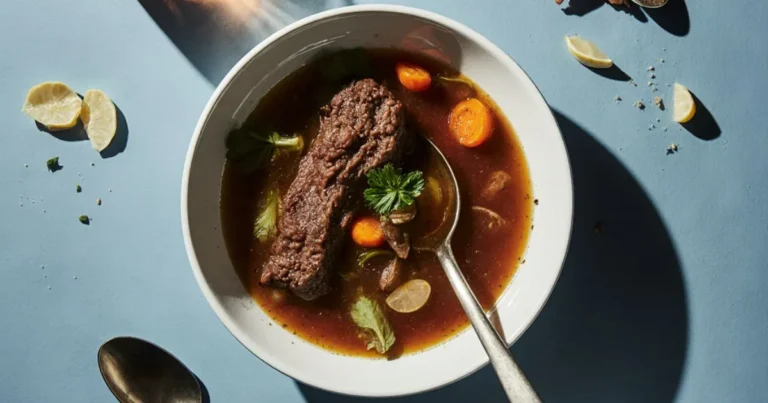
Chef’s Guide to Bone Broth
Acidic Components: Vinegar and Wine
Adding vinegar or wine makes your broth more nutritious. Apple cider vinegar and white wine are good choices. They help extract minerals from bones, making the broth thicker and more nutritious.
- Apple cider vinegar: Adds a mild flavor and helps draw out minerals.
- White wine: Adds a depth of flavor and can enhance the overall taste of the broth.
By using these ingredients, you can make a delicious and nutritious bone broth. Try different combinations to find your favorite.
The Complete Process of Making Bone Broth at Home
Making bone broth at home is easy. You need basic ingredients and tools. Follow a few steps to make a rich, nutritious broth for many dishes.
Preparing and Roasting the Bones
Begin by getting your bones ready. If they’re raw, heat your oven to 400°F (200°C). Put the bones on a baking sheet and roast for 30 minutes. This makes the broth taste better.
Adding Ingredients and Water
After roasting, put the bones in a big pot or slow cooker. Add veggies like carrots, celery, and onions. Also, add herbs and spices. Pour in enough water to cover everything and bring to a boil.
Simmering Times and Temperatures
Lower the heat to a simmer. Let it cook for 12-24 hours. The longer it cooks, the richer and gelatinous it gets. You can cook it on the stovetop or in a slow cooker.
Here’s a summary of simmering times for different bones:
| Type of Bones | Simmering Time |
| Beef Bones | 24 hours |
| Chicken Bones | 12 hours |
| Fish Bones | 8 hours |
Straining and Cooling
After cooking, strain the broth through a fine-mesh sieve into a big container. Throw away the solids. Let it cool, then refrigerate or freeze it for later.
Beef Bone Broth Recipe for Slow Cooker
Looking to make beef bone broth at home? A slow cooker is a great choice. It’s easy and lets you make a tasty broth with little effort.
Ingredients for Beef Bone Broth
To make a flavorful beef bone broth, you’ll need:
- 2-3 pounds beef bones (marrow, knuckle, or a mix)
- 2 carrots, roughly chopped
- 2 celery stalks, roughly chopped
- 2 cloves garlic, smashed
- 1 large onion, roughly chopped
- 2 tablespoons apple cider vinegar
- 1 teaspoon salt
- Optional: herbs and spices of your choice
Step-by-Step Slow Cooker Method
Here’s how to make beef bone broth in your slow cooker:
- Put the beef bones, chopped veggies, garlic, and apple cider vinegar in the slow cooker.
- Add enough water to cover everything, leaving an inch at the top.
- Season with salt and any herbs or spices you like.
- Cook on low for 24-48 hours.
- Strain the broth through a fine-mesh sieve into a big container.
- Throw away the solids and let the broth cool. Then, refrigerate or freeze it.
Variations for Enhanced Flavor
To make your beef bone broth even better, try adding:
- Mushrooms for extra depth
- Other aromatics like leeks or parsnips
- A splash of red wine for a richer taste
Playing with different ingredients can help you create a broth that’s just right for you.
Pressure Cooker and Instant Pot Bone Broth Methods
Need to save time? A pressure cooker or Instant Pot can make bone broth fast. These tools pull out flavors and nutrients quickly, perfect for bone broth.
Quick Beef Bone Broth in a Pressure Cooker
To make quick beef bone broth, start with 2-3 pounds of beef bones. Use marrow or knuckle bones for the best flavor. Add 1 onion, 2 cloves of garlic, and 2 carrots. Pour in enough water to cover everything and add a tablespoon of apple cider vinegar.
Close the lid and set the pressure cooker to high pressure for 60-90 minutes. After the time is up, let the pressure release naturally. Strain the broth through a fine-mesh sieve into a large container. Store it in the fridge for up to 5 days or freeze for later.
| Ingredient | Quantity |
| Beef Bones | 2-3 pounds |
| Onion | 1 |
| Garlic | 2 cloves |
| Carrots | 2 |
| Apple Cider Vinegar | 1 tablespoon |
Chicken Bone Broth in an Instant Pot
For chicken bone broth, mix 1-2 pounds of chicken bones with 1 onion, 2 cloves of garlic, and 2 carrots. Add enough water to cover and a tablespoon of apple cider vinegar. Cook on high pressure for 30-60 minutes.
Let the pressure release naturally before straining the broth. This method makes a rich, flavorful broth. It’s great for soups or as a healthy drink.
| Ingredient | Quantity |
| Chicken Bones | 1-2 pounds |
| Onion | 1 |
| Garlic | 2 cloves |
| Carrots | 2 |
| Apple Cider Vinegar | 1 tablespoon |
Troubleshooting Common Bone Broth Issues
Making bone broth is usually easy, but some problems can occur. Whether you’re experienced or new, knowing how to solve common issues can improve your results.
Cloudy Broth and How to Fix It
A cloudy broth can happen for several reasons. It might be due to not skimming well or using fatty bones. To clear up your broth, skim it better or use a fine-mesh strainer. Roasting your bones before making broth can also help.
Dealing with Too Much Fat
Too much fat in your broth can be a problem. To reduce it, chill the broth and skim off the solidified fat. Or, use a fat separator or just remove the excess fat from the top once it’s cooled.
When Your Broth Doesn’t Gel
A gelatinous broth is a sign of good quality. If yours doesn’t gel, it might lack bones or cooking time. Try adding more bones or cooking it longer to get the right texture.
Storing and Using Your Homemade Bone Broth
After making your bone broth, knowing how to store and use it can make your cooking better. Keeping it right is key for its quality and safety.
Refrigeration and Freezing Methods
For quick use, keep your bone broth in the fridge. Cool it fast, then put it in tight containers. Freezing is best for longer storage. Pour it into ice cube trays or containers safe for the freezer. This makes it easy to thaw just what you need.
| Storage Method | Duration | Tips |
| Refrigeration | 3-5 days | Cool quickly, airtight containers |
| Freezing | Up to 6 months | Use ice cube trays or freezer-safe containers |
Creative Ways to Use Bone Broth in Cooking
Bone broth is very useful in many dishes. Use it as a base for soups, stews, or sauces. It’s also good for cooking grains like rice or quinoa, adding flavor to your meals. Plus, it’s great for braising meats or cooking veggies.
Drinking Bone Broth as a Health Tonic
Drinking bone broth can be very nourishing. It’s full of collagen, proteins, and minerals that help your gut and joints. Enjoy it warm, with herbs and spices, as a healthy drink.
Conclusion: Enjoying the Benefits of Your Homemade Bone Broth
Now that you know how to make bone broth at home, it’s time to enjoy its benefits. Adding homemade bone broth to your diet can improve your gut health and support your joints. It also boosts your immune system.
Making bone broth is easy and saves money. With your own broth, you can make meals and drinks full of protein, vitamins, and minerals. Use it in soups, stews, or as a health tonic. Your homemade bone broth will be a key ingredient in your kitchen.
Follow the recipes and techniques in this guide to enjoy bone broth’s flavor and health benefits at home. So, why not start making bone broth today and see the benefits for yourself?
FAQ
What is the best type of bone to use for making bone broth?
For the best bone broth, use bones rich in collagen. Marrow bones, knuckle bones, and oxtail are great choices. Chicken and fish bones also work well, depending on your broth preference.
How long should I simmer my bone broth?
Simmering time varies by bone type and desired broth. Beef bones need at least 24 hours. Chicken bones simmer for 12-24 hours. Fish bones simmer for 8-12 hours.
Can I make bone broth in a slow cooker?
Yes, slow cookers are perfect for bone broth. They allow for a long, slow simmer. Add bones, veggies, and aromatics, then cook on low for 24-48 hours.
How do I store homemade bone broth?
Store bone broth in the fridge for up to 5 days or freeze for 6 months. Use airtight containers and label them with date and contents.
Can I use bone broth as a substitute for stock in recipes?
Yes, bone broth is a great stock substitute. It’s more nutritious and flavorful. Use it in soups, stews, sauces, and braising liquids.
How do I make beef bone broth in a slow cooker?
For beef bone broth, add 2-3 pounds of beef bones, 2 carrots, 2 celery stalks, 2 cloves of garlic, and 1 onion to the slow cooker. Cook on low for 24-48 hours, then strain and season.
What are some common issues with making bone broth, and how can I troubleshoot them?
Issues like cloudy broth, too much fat, and broth that doesn’t gel can happen. Adjust simmering time, bone type, or add vinegar or wine to fix these problems.